
Meet the Kumorion team: Q&A with Oskari Koivisto, Cloud Engineer
Oskari joined Kumorion in May 2026, bringing deep expertise in Kubernetes and OpenStack. He explains why the opportunity to work towards clear goals – without the hierarchy of a large corporation – made Kumorion a natural next step.
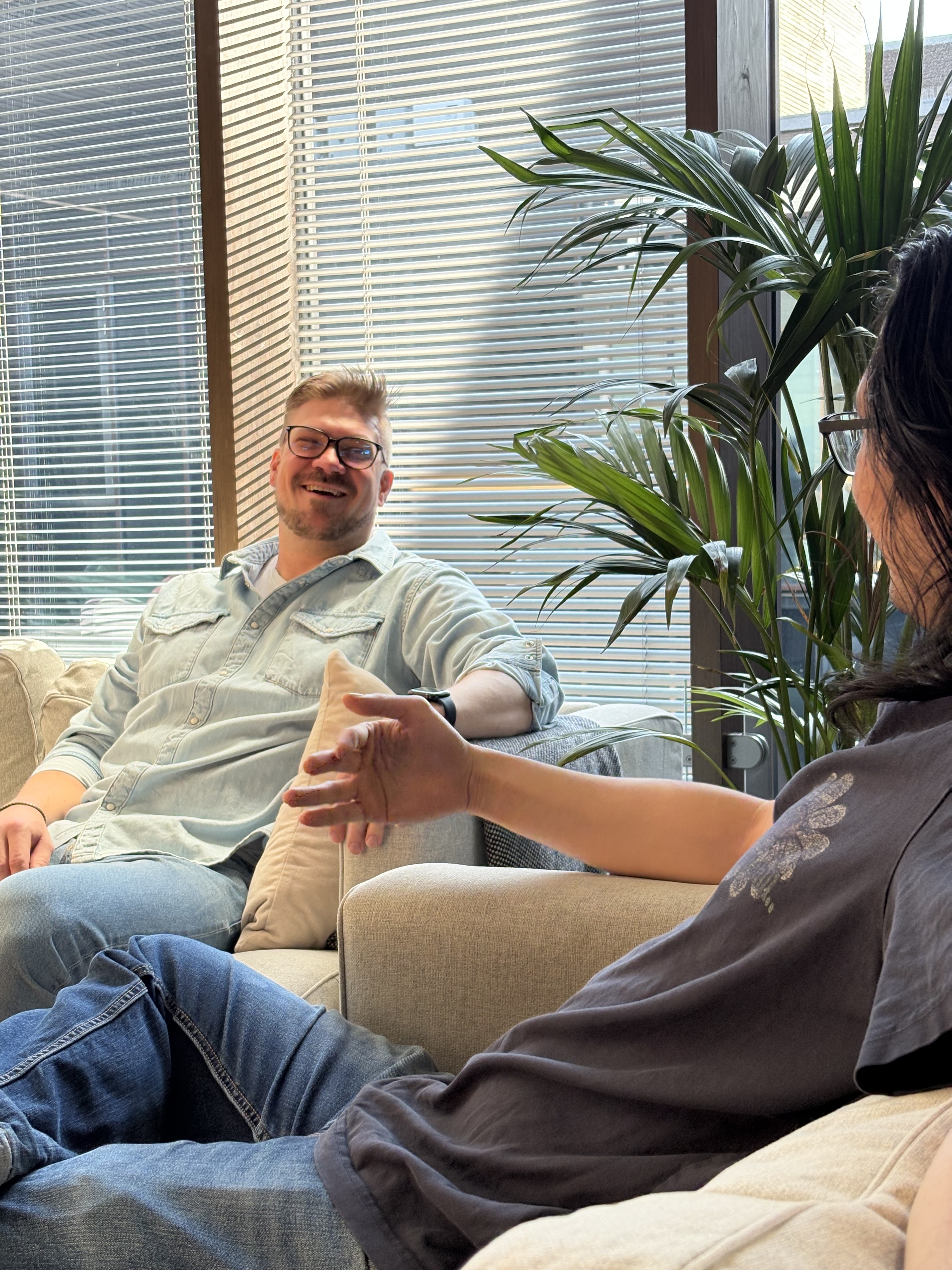
Please tell us what you’re working on at the moment?
One of the development items in Kumorion’s portfolio is a container-based OpenStack environment. Something innovative we’re doing within this environment is enabling GPU resources for virtual machines. My role is to figure out how it works and what automation changes are needed for deployments, as well as to test out why something behaves the way it does.
I like this kind of technical work, especially when there’s something new to learn. I’ve always enjoyed experimenting with cloud infrastructure and understanding how all the pieces fit together.
Is that what drew you to the company?
Partly. I wanted to spend more time working with Kubernetes and the wider DevOps ecosystem. In my previous role, I built container services and worked with platforms such as Rancher. I also took a similar approach towards automation with Ansible and ArgoCD.
But the main reason for applying was Kumorion’s track record of working with the world's largest private cloud, and the possibility to begin sharing this technology with a broader customer base. Working for a smaller company also felt more suitable for me. Having small teams that interlace together with specific goals is what makes work feel more meaningful.
What did you do earlier in your career?
During my studies, I was responsible for IT at an accounting company. Around that time, I started learning Linux and OpenStack on my own. I moved into cloud computing more seriously in 2016 and joined my first Nokia project as a consultant the following year.
One interesting experience with Nokia was a project in Pakistan. I travelled to Islamabad in 2019 to install an edge cluster for an international operator. I had always wanted to travel internationally for work, so Pakistan was certainly an interesting place for that opportunity. I also recently heard that the system we installed there is still in use.
Was this Nokia experience important for the Kumorion role?
Yes. I’ve worked on several Nokia projects over the years as a consultant, so I know the customer and the working environment quite well.
I normally work from home three days a week, spend one day at Nokia’s premises in Karaportti and come into the Kumorion office on Thursday. That gives me a good balance between remote working and seeing people.
What does this flexibility say about the culture at Kumorion?
Well, there is very little hierarchy here. There are no layers of management between the people doing the work and the people making decisions. This takes the unnecessary bureaucracy away and means everybody works towards the same goal. Doing what is best for the company is much easier and straightforward this way.
You’re still quite new to the company. What’s your impression of the employee experience?
Very positive. The overall package was actually one of the things that surprised me when I joined. There’s a broad range of employee benefits, including an annual allowance that you can use quite flexibly for different health and wellbeing services. I had not come across something quite like that at my previous employers. It’s really important for me, as I train a lot.
The company also puts effort into bringing people together. We had summer days where I got to meet colleagues I would normally only work with remotely. This is very good, as my teams are quite distributed across different geographies.